
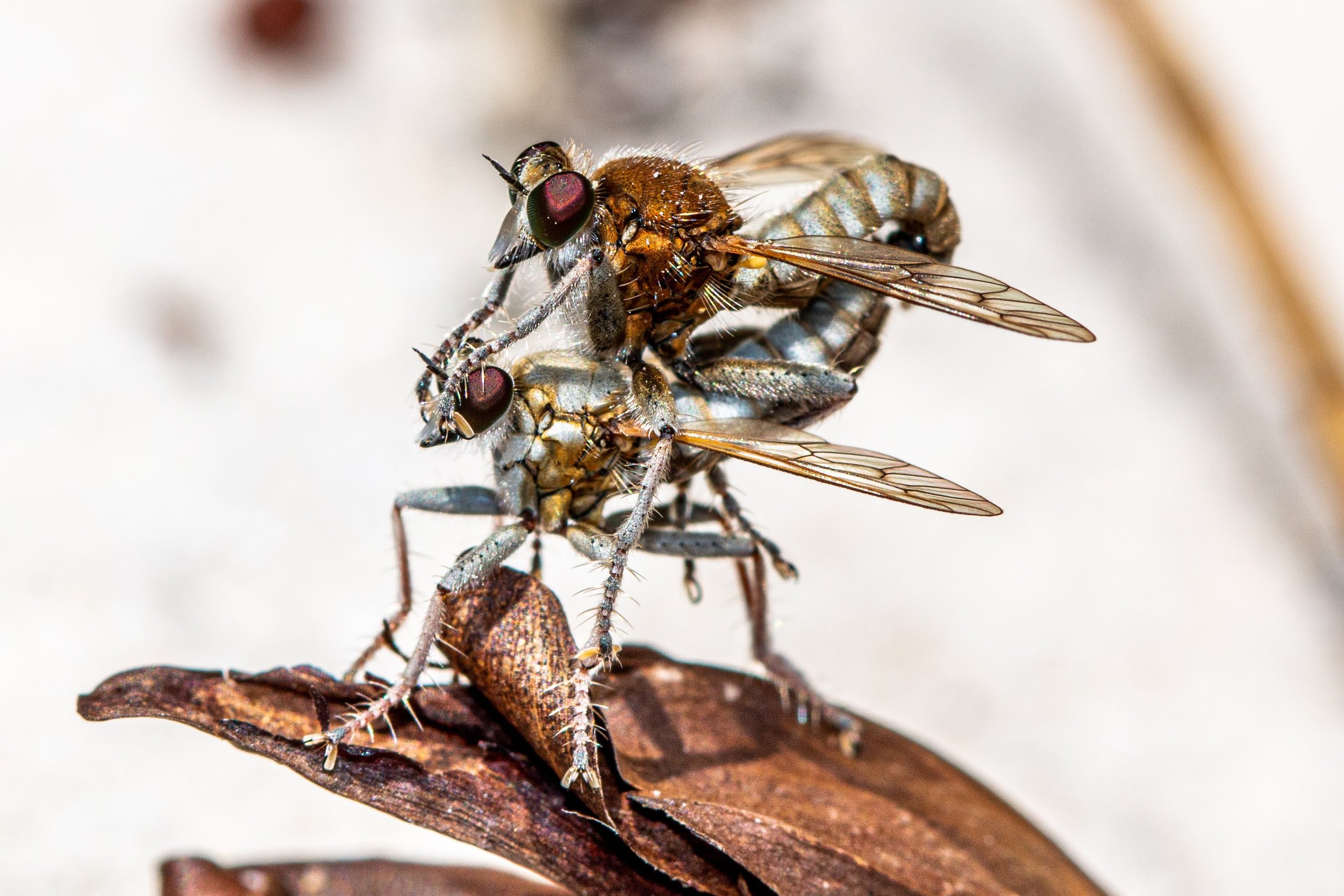
Studying little critters to answer big questions
If invertebrates were to disappear…the earth would rot. As dead vegetation piled up and dried out, narrowing and closing the channels of the nutrient cycles, other complex forms of vegetation would die off, and with them the last remnants of the vertebrates. The remaining fungi, after enjoying a population explosion of tremendous proportions, would also perish. Within a few decades, the world would return to the state of a billion years ago, composed primarily of bacteria, algae, and a few other very simple multicellular plants. If humanity depends so completely on these little creatures that run the earth, they also provide us with an endless source of scientific exploration and naturalistic wonder.
- Charles Elton (1987) The Little Things That Run the WorldSome insects feed on rosebuds,
and others feed on carrion.
Between them they devour the earth
Bugs are totalitarian
- Ogden Nash, Goodbye Bugs
My current research interests include:
The evolution of insect courtship displays
The ecology of ephemeral resources (carrion, leaf litter, dung, temporal pools)
The role of sexual dimorphism in ecological processes (disease, invasion, population growth)
And here are some of the little critters I work with:

Blow flies
(Calliphoridae)

Littoral flies
(Muscidae & Chloropidae)
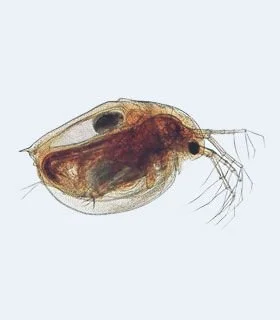
Water fleas
(Daphniidae)

Leaf litter invertebrates
(Amphipoda, Coleoptera, Pseudoscorpiones, Isopoda, Myriapoda, Onychophora)